
Dental implants are currently the most advanced solution for replacing missing teeth. However, the success of a dental implant treatment does not depend only on the implant fixture itself. The outcome is strongly influenced by the experience of the implant dentist, the treatment planning process, and the implant technologies used during surgery and restoration.
At Lạc Việt Intech Dental Clinic in Vietnam, our implant treatments are always designed around four core goals:
- Safety
- Long-term durability
- Natural aesthetics
- Strong chewing function
To achieve these goals, Lạc Việt Intech invests in a complete implant ecosystem, including:
- Highly experienced implant specialists
- Authentic, high-quality implant materials
- Advanced dental implant technologies
Below are the modern implant technologies currently applied at Lạc Việt Intech to increase surgical precision, reduce invasiveness, and improve long-term implant stability.
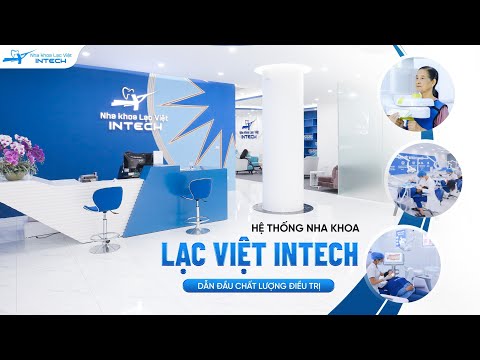
1. DCT Personalized Implant Solution
DCT is one of the advanced implant technologies applied at Lạc Việt Intech.
Unlike traditional implant methods, DCT is a solution that personalizes the entire implant restoration system for each individual patient.
The DCT solution consists of four main components:
- Surgical guide (Guideline)
- Customized healing abutment
- Customized prosthetic abutment
- Full zirconia multilayer crown (Zirconia Multilayer)

Purpose of DCT Technology
The DCT personalized implant solution was developed with the goal of providing patients with an implant tooth that is AESTHETIC, FUNCTIONAL FOR CHEWING, DURABLE, CONVENIENT TO USE, and especially SAFE.
Benefits of the DCT Solution
The DCT solution helps:
- Place implants more accurately
- Shape the gingival tissue to resemble natural teeth more closely
- Reduce food impaction around the implant
- Improve long-term aesthetics and durability
By personalizing each restorative component, the final implant tooth will closely resemble a natural tooth in terms of morphology, function, and stability.
>>> See more: DCT implant solution – One treatment for lifelong peace of mind.
2. X-Guide Robotic Navigation Implant Surgery Technology
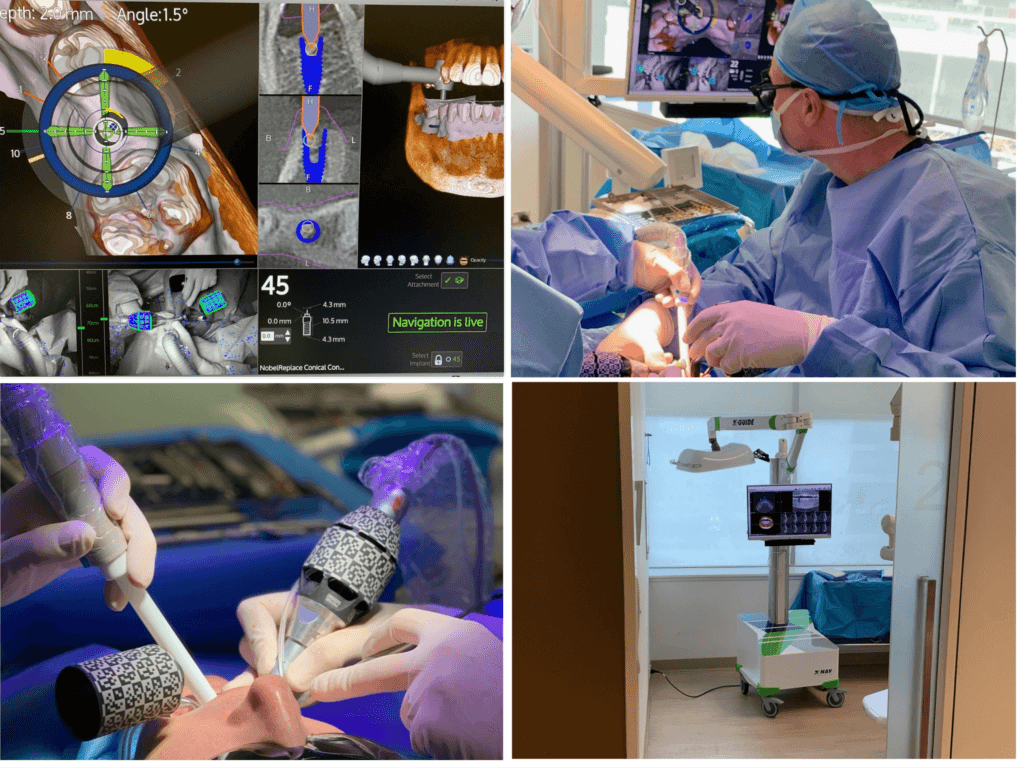
X-Guide is one of the most modern implant technologies currently available.
It is a real-time dynamic navigation system for implant surgery.
This technology integrates:
- 3D Cone Beam CT imaging data
- Implant planning software
- Surgical navigation system
With this system, the dentist can see the position and trajectory of the implant drill in three-dimensional space in real time during surgery.
Why X-Guide Technology is Important
In implant dentistry, the implant placement position plays a decisive role in long-term success.
If the implant is placed incorrectly, it may:
- Invade the maxillary sinus
- Damage the nerve
- Create an incorrect prosthetic axis
- Reduce the durability of the restoration
Benefits of X-Guide
The X-Guide technology helps:
- Increase accuracy during implant placement
- Reduce the risk of complications
- Minimize surgical errors
- Provide a better foundation for aesthetic restoration
As a result, patients can receive safer and more stable implant treatment in the long term.
At Lạc Việt Intech, in cases where implant placement involves complex anatomical structures requiring extremely high surgical precision, we apply X-Guide technology to ensure patient safety.
>>> See more: What is X-Guide implant surgery technology?
3. Magnetic Implant Surgery Technology
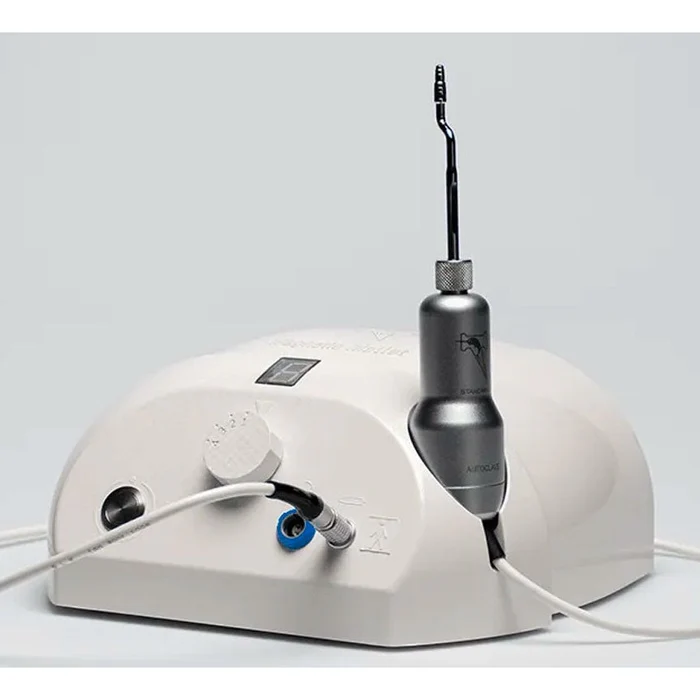
Magnetic surgery belongs to the group of minimally invasive implant surgery technologies.
Unlike traditional implant drilling techniques, this technology uses a bone compression and expansion mechanism to create the implant osteotomy.
Through controlled compression, magnetic technology can increase bone density, making it particularly suitable for:
- Cases with low bone density
- Sinus lift procedures in patients with poor bone density and complex sinus floor anatomy
Purpose of Magnetic Surgery
This technology was developed to:
- Reduce bone trauma
- Increase bone density in cases with low bone quality (D3, D4 bone)
- Perform crestal sinus lift procedures in complex cases
Benefits for Patients
When applied with the correct indications, magnetic surgery helps:
- Reduce postoperative pain
- Increase primary stability, thereby improving osseointegration rates in low-density bone cases
- Reduce bleeding
- Promote better bone healing
This is one of the modern implant technologies that makes surgery less traumatic and more gentle, transforming complex implant cases into more manageable procedures, thereby reducing complications and increasing the success rate.
At Lạc Việt Intech, magnetic surgery is mainly applied in low bone density cases to enhance bone density thanks to its superior safety and effectiveness.
In sinus lift procedures, we usually apply high-frequency ultrasonic technology, and magnetic surgery is used less frequently.
>>> See more: Magnetic implant surgery technology
4. High-Frequency Ultrasonic Implant Surgery Technology
High-frequency ultrasonic surgery uses ultrasonic energy to generate small, continuous vibrations that act on bone tissue, helping increase bone volume and/or bone density, thereby facilitating implant placement.
Unlike traditional rotary instruments, ultrasonic technology can selectively act on hard tissue without damaging soft tissue, thereby minimizing injury to:
- Blood vessels
- Gingiva
- Nerves
Advantages of Ultrasonic Surgery
This technology helps:
- Increase bone volume and density when necessary
- Perform sinus lift procedures gently while minimizing sinus membrane damage due to its selective action on hard tissue
- Reduce soft tissue trauma
- Reduce surgical bleeding
It allows implant surgery to be less invasive, reduces complications, and increases the success rate, especially in maxillary sinus lift cases.
Particularly Suitable for:
- Elderly patients
- Patients requiring horizontal bone augmentation in aesthetic zones
- Patients with low bone density (osteoporosis) combined with sinus lift procedures
- Patients requiring complex bone grafting
At Lạc Việt Intech, high-frequency ultrasonic technology is widely applied in sinus lift procedures to reduce complications, increase success rates, and minimize postoperative swelling, pain, and bleeding.
In complex bone augmentation cases, ultrasonic technology may also be applied. However, in cases with low bone density, we often prefer magnetic surgery due to its superior safety and effectiveness.
>>> See more: What is ultrasonic implant surgery?
5. Plasma Implant Surface Treatment Technology
An important factor in implant treatment is the osseointegration capability of the implant fixture.
Plasma technology is used to treat the implant surface before placement by exposing it to high-intensity plasma energy, which temporarily alters the electrical charge of the implant surface.
This process enhances cell attraction and bone formation, thereby increasing the osseointegration capacity of the implant.
Purpose of Plasma Technology
This technology helps:
- Increase biological activity
- Improve the attachment of bone cells to the implant surface
Benefits for Implant Treatment
When the implant surface is treated with plasma:
- Osseointegration improves
- Implant stability develops faster
- The risk of integration failure decreases

At Lạc Việt Intech, plasma technology is applied in cases where the implant fixture belongs to an inert surface category, and it is not applied to implants with active surfaces.
The purpose is to improve the biological performance of implants with less favorable surfaces.
However, it should be emphasized that plasma treatment can improve osseointegration rates but cannot alter other physical or mechanical properties of the implant fixture.
>>> See more: What defines a good implant fixture?
6. Implant Stability Assessment Technology with Anycheck
After implant placement, the implant requires time to integrate with the jawbone.
However, the osseointegration speed varies among patients.
Anycheck is a technology that helps dentists evaluate the stability of the implant after placement.
Role of Anycheck
This device helps the dentist determine:
- Whether the implant has achieved sufficient stability
- Whether osseointegration has occurred adequately
- The appropriate timing for placing the final crown

Benefits of This Technology
Thanks to Anycheck, dentists can:
- Avoid placing the crown too early
- Reduce the risk of implant failure
- Improve long-term implant durability
This is an important technology that helps scientifically control implant treatment outcomes.
>>> See more: How do dentists know if an implant has integrated successfully?
Modern Implant Technologies Improve Safety in Implant Treatment
At Lạc Việt Intech, the application of modern implant technologies is not intended for promotional purposes.
Our goal is to address the core challenges of implant treatment:
- Accurate implant placement
- Reduced surgical invasiveness
- Optimized osseointegration
- Controlled long-term outcomes
When technologies such as:
- Personalized DCT solution
- X-Guide robotic navigation
- Magnetic surgery
- High-frequency ultrasonic surgery
- Plasma implant surface treatment
- Implant stability assessment with Anycheck
are combined with highly specialized dentists and genuine implant materials, treatment outcomes move closer to the most important goal: Safe – Durable – Aesthetic – Functional dental implant restoration.
FAQ
What is dental implant technology?
Dental implant technology refers to the advanced tools, digital systems, and surgical techniques used to improve the precision, safety, and long-term success of implant treatments.
Why is implant technology important for dental implant success?
Modern implant technology helps dentists place implants more accurately, reduce surgical trauma, improve bone integration, and ensure long-term stability of the implant restoration.
What technologies are used in modern implant dentistry?
Modern implant dentistry may include technologies such as digital implant planning, guided implant surgery, robotic navigation systems, ultrasonic surgery, plasma implant surface treatment, and implant stability analysis devices.
What is X-Guide implant surgery technology?
X-Guide is a real-time dynamic navigation system that allows dentists to track the implant drill position in three-dimensional space during surgery, improving accuracy and reducing surgical risks.
What is the DCT personalized implant solution?
DCT (Digital Customized Technology) is an implant solution that personalizes the entire implant restoration system, including surgical guides, customized healing abutments, customized abutments, and multilayer zirconia crowns.
What is ultrasonic implant surgery?
Ultrasonic implant surgery uses high-frequency ultrasonic vibrations to cut bone selectively without damaging soft tissues, making procedures such as sinus lift safer and less invasive.
What is plasma implant surface treatment?
Plasma technology activates the implant surface before placement, improving biological activity and helping bone cells attach more easily to the implant surface, which enhances osseointegration.
How do dentists know if an implant has integrated successfully?
Devices such as Anycheck measure implant stability after placement, helping dentists determine whether osseointegration has occurred and when it is safe to place the final crown.
Related reading for international patients
If you are comparing treatment options, you may also find these guides helpful: Surgical Guides in Implant Dentistry and What You Need to Know, DCT personalized dental implant solution: one – time implant, peace of for a lifetime. and What Makes a Dental Clinic the “Best” in Vietnam?.
Frequently asked questions
Technologies such as 3D imaging, digital planning, guided surgery, implant stability analysis, and advanced surface-treatment protocols can improve predictability and safety.
Modern technology helps dentists diagnose more accurately, plan restorations more precisely, and reduce avoidable risks during surgery and follow-up.
No. Technology supports better treatment, but results still depend heavily on the dentist’s diagnosis, planning skill, and clinical judgment.
Pingback: How to Choose the Best Dental Implant Clinic in Vietnam.
Pingback: 5 Important Criteria to Ensure Safe and Sustainable Dental Implant Placement
Pingback: What Makes a Dental Clinic the “Best” in Vietnam?
Pingback: Teeth Implant Risks: What International Patients Should Know
Pingback: Dental Implants in Vietnam: 6 Things International Patients Should Understand First
Pingback: 5 Risks of Choosing Vietnam for Dental Implants and How to Avoid Them
Pingback: Surgical Guides in Implant Dentistry: Benefits, Accuracy, and Safety
Pingback: Customized Dental Implant Solution for Precise, Long-Lasting Results
Pingback: Are Dental Implants Safe? 7 Risks You Must Know
Pingback: Dental Implant Risks: Infection, Nerve & Sinus Damage
Pingback: Implant Failure Causes: 5 Common Reasons Dental Implants Fail
Pingback: Best Countries for Dental Tourism 2026 | Safe & Worth It
Pingback: Best Country for Dental Implants Abroad: Vietnam vs Thailand vs
Pingback: Is Dental Treatment Safe in Vietnam? Risks, Quality, What to Know
Pingback: Is Dental Tourism Safe? Risks, Safety Guide & How to Choose
Pingback: Full Mouth Dental Implants Vietnam Cost | All-on-4 & All-on-6
Pingback: What Affects Dental Implant Cost in Vietnam? Doctor,Technology...
Pingback: Cheap Dental Implants Vietnam: Safe or Risky?