
In many cases of tooth loss, especially when several teeth are missing consecutively, many patients share the same question: Do you need to place the same number of implants as the number of teeth that are missing?
The answer is not necessarily.
In modern implant dentistry, the dentist does not simply “replace each missing tooth individually.” Instead, the dentist will design the most appropriate implant placement plan to ensure good chewing function, natural aesthetics, long-term durability, reduced number of surgeries, and optimized treatment cost for the patient.

This article will help you clearly understand:
- How implants should be placed when multiple consecutive teeth are missing
- When individual implants are required
- When an implant-supported bridge can be used
- Which implant method currently provides the best results
1. Implant placement plan in cases of multiple missing teeth.
When multiple teeth are missing consecutively, the dentist does not only consider the number of missing teeth, but must also evaluate:
- Tooth position (anterior teeth or molars)
- Chewing force in that area
- Jawbone density
- Size of the edentulous space
- Load distribution ability of the bridge
Below are common principles in implant design.
Case: Two adjacent missing teeth
For molars
In the molar region, chewing forces are very strong. Therefore, it is usually necessary to place two implants, each replacing one tooth.
Reasons:
- Better distribution of chewing forces
- Avoid overload on a single implant
- Ensure long-term durability
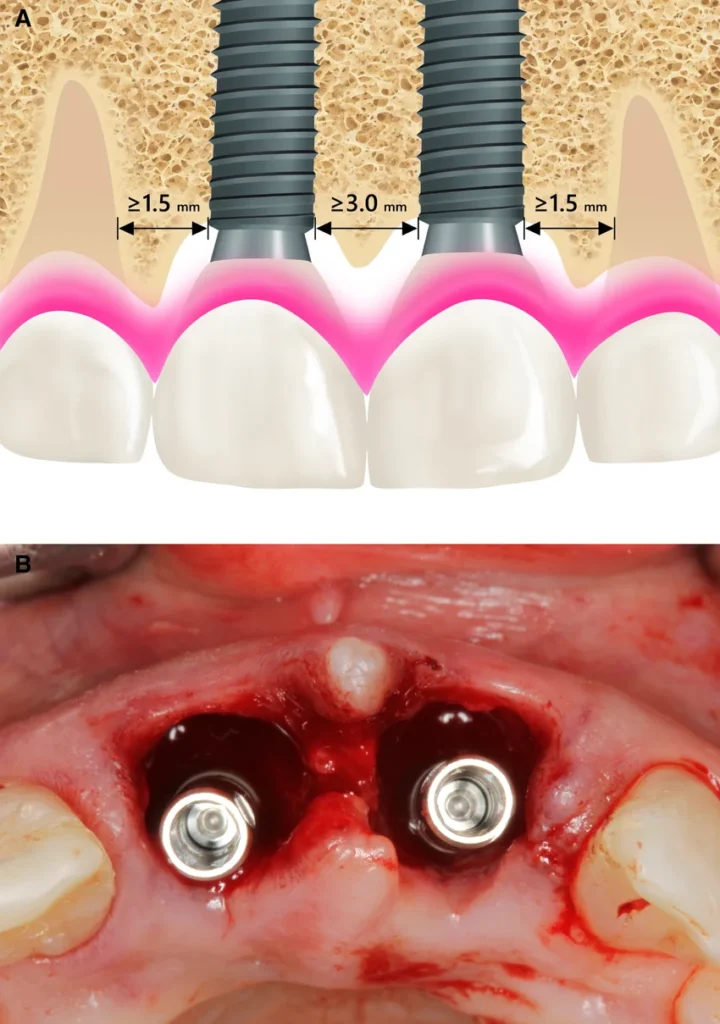
For anterior teeth
In some special cases, particularly the two lower central incisors, the dentist may consider placing only one implant and restoring two crowns on that single implant.
This option is only applied when:
- The jawbone quality is good enough
- Chewing force is not excessive
- The edentulous space is appropriate
Case: Three consecutive missing teeth
In the case of three adjacent missing teeth, a common solution is: placing two implants at both ends, then making a three-unit bridge supported by these two implants.
Advantages of this option:
- Reduced number of surgeries
- Lower treatment cost
- Still ensures stable chewing function
The principle here is similar to a traditional dental bridge, but the implants act as the supporting abutments.

Case: Four consecutive missing teeth
When four teeth are missing consecutively, the implant plan depends on the tooth position.
If they are molars
Typically, three implants are required, followed by a four-unit bridge supported by these three implants.
Reasons:
- Molars bear high chewing forces
- More implants are needed to distribute the load
If they are anterior teeth
In the anterior region, chewing forces are lighter, so sometimes only two implants are placed at both ends and a four-unit bridge is fabricated.
However, this option must be carefully evaluated by the dentist based on:
- Bridge length
- Bone stability
- Occlusion
Case: Five to six consecutive missing teeth
When five or six teeth are missing consecutively, the commonly applied solution is placing three implants and fabricating a bridge supported by these three implants.
This option helps to:
- Reduce the number of implants required
- Optimize treatment cost
- Still maintain effective chewing function

However, the final treatment plan must be based on CT scan analysis and a detailed treatment plan by the dentist.
There is no single formula that applies to all patients.
2. Which implant method is the best?
In addition to designing an appropriate implant placement plan, the implant technique itself also plays a very important role.
Currently, one of the solutions that is highly regarded for safety, aesthetics, and long-term durability is:
DCT Personalized Implant Solution
DCT (Digital Customized Technics) is a personalized implant solution that integrates many modern technologies to achieve the following results: Safety, Durability, Aesthetics, and Good chewing function through the integration of the following technologies:
Precision surgery with a surgical guide
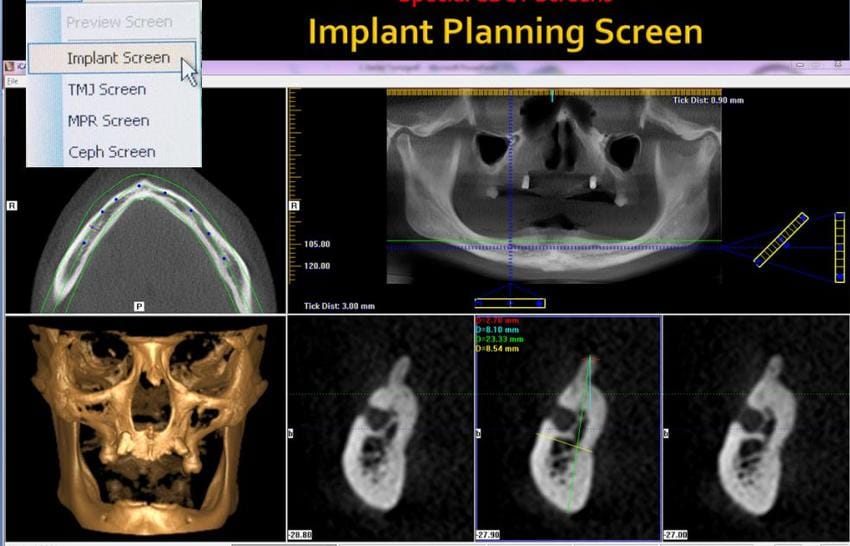
In implant placement, accurate positioning of the implant is the decisive factor.
If the implant is placed in the wrong position or angle, it may lead to:
- Incorrect occlusion
- Poor aesthetics
- Improper distribution of chewing forces
- Even nerve injury
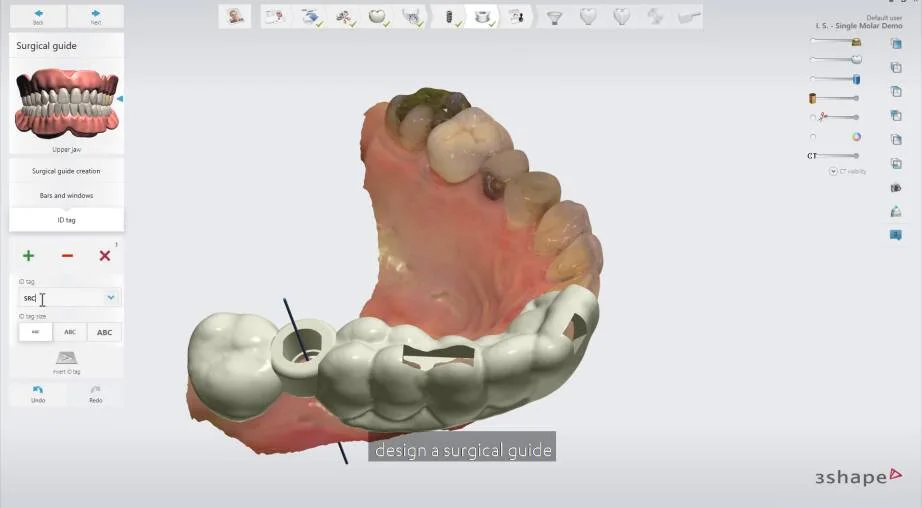
The DCT solution uses a surgical guide.
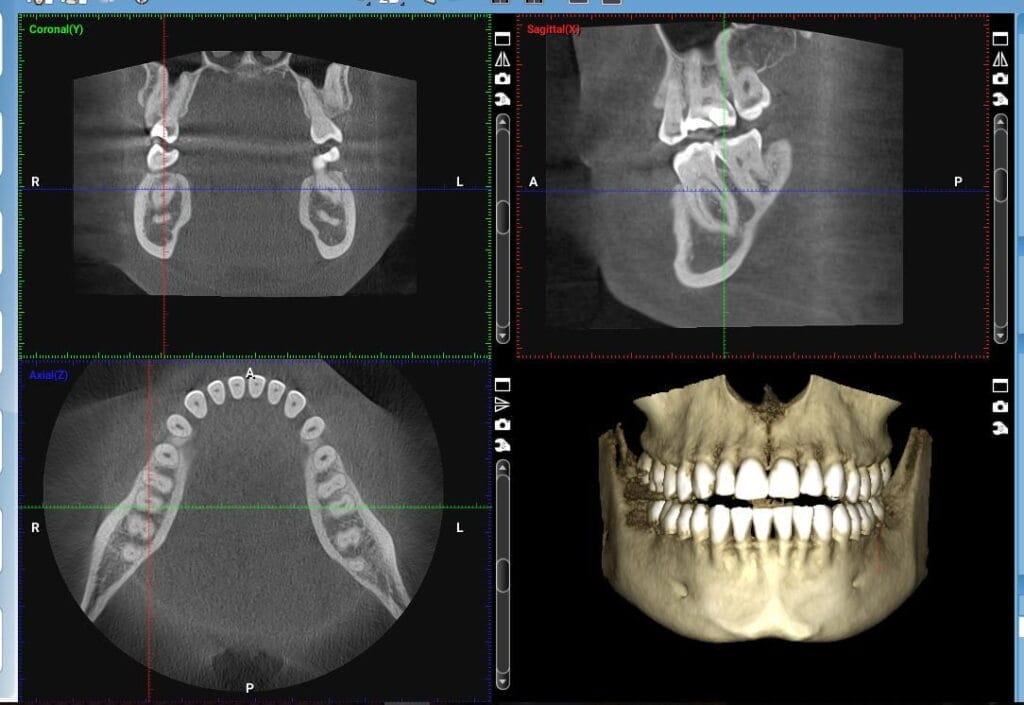
This guide is designed based on:
- 3D CT scan data
- Dental scan data
- Analysis of occlusion and jawbone anatomical structure
Thanks to this, the implant is placed:
- In the correct position
- At the correct angle
- At the correct depth
This creates a strong foundation for implant crowns:
- Better chewing function
- Greater durability
- Better aesthetics
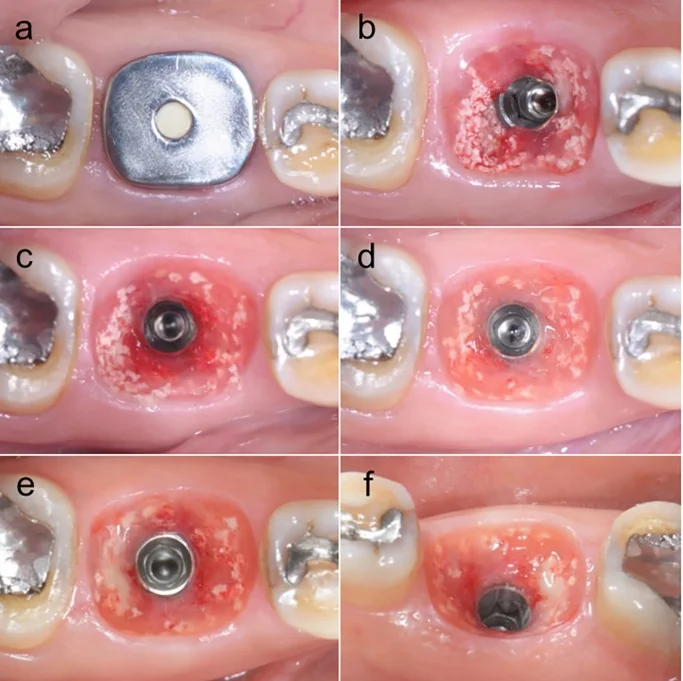
Customized healing abutment – shaping the gingival tissue anatomically.
After implant placement, the surrounding gingival tissue plays a very important role in:
- Aesthetics
- Periodontal tissue health
The DCT solution uses customized healing abutments.
These abutments are designed individually for each patient to:
- Shape the gingival tissue naturally
- Restore periodontal structure
- Create a biological width around the implant
As a result, a biological barrier forms to protect the implant, helping to:
- Prevent bacteria from entering from the oral cavity
- Reduce the risk of peri-implantitis

Customized prosthetic abutment
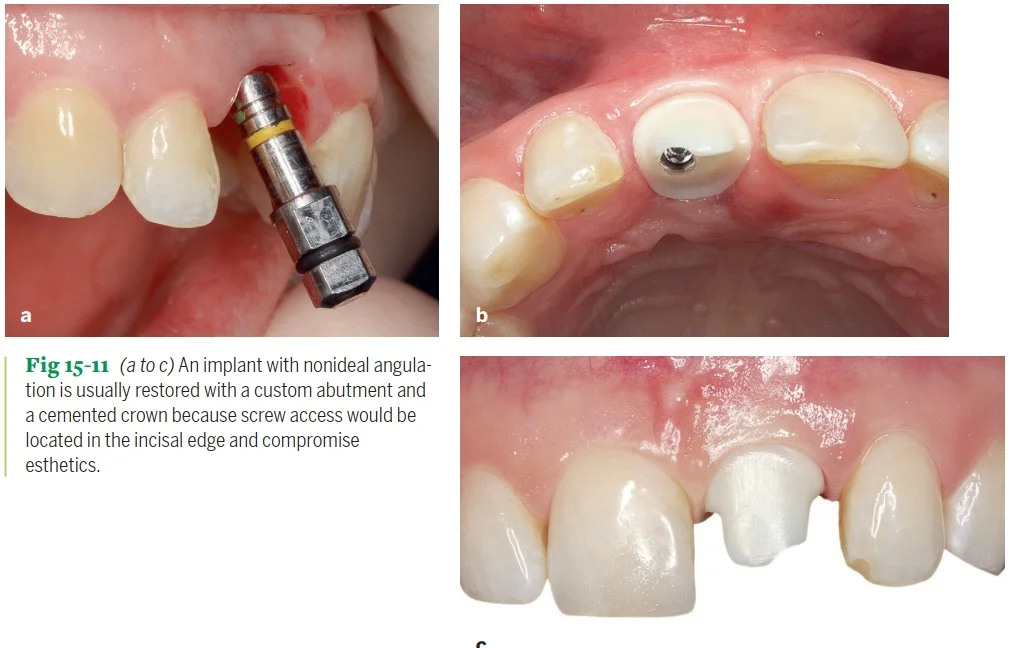
Another important step in the DCT solution is the customized abutment.
The abutment is designed based on:
- Tooth shape
- Gingival contour
- The patient’s occlusion
This allows the implant crown to achieve:
- Natural morphology
- Stable chewing force distribution
- High aesthetics
Customized abutments are manufactured from pure titanium or zirconia with very high biocompatibility and high strength, allowing better biological adaptation, greater stability, improved aesthetics, and long-term durability.
Zirconia Multilayer All-Ceramic Crown
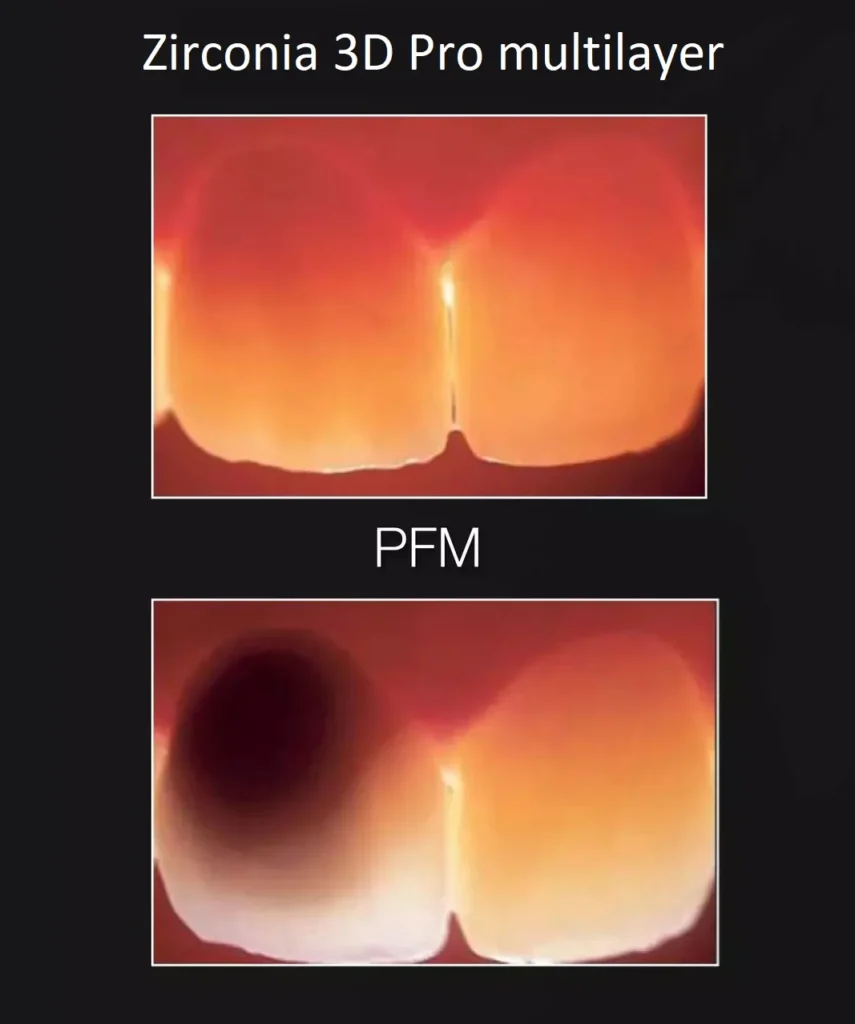
The crowns used in the DCT solution utilize multilayer zirconia – a new-generation ceramic material.
Advantages:
- Natural color
- Translucency similar to natural teeth
- Variable strength similar to natural enamel
- Does not cause wear to opposing teeth
As a result, implant crowns are not only beautiful but also:
- Provide good chewing function
- Ensure long-term durability
- Reduce trauma, wear, and damage to opposing teeth
>>> See more details: What is the DCT personalized implant solution?
Conclusion
In cases of multiple consecutive missing teeth, it is not always necessary to place one implant for each missing tooth.
The dentist will design a suitable implant plan based on:
- Number of missing teeth
- Tooth position
- Chewing force
- Bone density
At the same time, the implant technique also plays an important role.
Personalized solutions such as DCT Implant help the treatment process become:
- More precise
- Safer
- More aesthetic
- More durable
If the treatment is properly planned from the beginning, dental implants can provide a stable and aesthetic chewing function for many years.
FAQ
Not always. When several teeth are missing consecutively, dentists may place fewer implants and support multiple crowns with an implant-supported bridge.
In some cases, yes. For example, in certain anterior tooth situations, one implant may support two crowns if bone quality, occlusion, and space allow.
A common solution is placing two implants and restoring a three-unit implant bridge supported by those implants.
An implant-supported bridge is a restoration where two or more implants act as anchors to support several replacement teeth.
Yes. When properly planned, implants can safely support multiple crowns and restore strong chewing function for many years.
The number of implants depends on several factors, including:
– Position of missing teeth
– Jawbone density
– Chewing force
– Size of the edentulous space
– Occlusion and bite balance
Modern personalized implant solutions such as DCT (Digital Customized Technics) improve treatment precision, aesthetics, and long-term stability
Yes. With proper planning, high-quality materials, and good oral hygiene, dental implants can provide stable chewing function and natural aesthetics for many years.
Related reading for international patients
If you are comparing treatment options, you may also find these guides helpful: Dental Implant Vietnam: The Complete Guide for International Patients Seeking Safe and Long-Lasting Treatment, 5 Important Criteria to Ensure Safe and Sustainable Dental Implant Placement and What are the risks of teeth implants?.