
A complete dental implant restoration includes the implant fixture, the abutment, and the final crown. Among these three parts, the crown material plays a major role in aesthetics, wear behavior, fracture resistance, and the long-term biomechanics of the implant restoration.
Today, the most common implant-supported crown options are titanium porcelain crowns, zirconia-core all-ceramic crowns, and monolithic multilayer full zirconia crowns. Understanding the differences between these materials helps clinicians and patients choose a restoration that is not only attractive, but also stable and biologically compatible over time.

1. Titanium Porcelain Crowns
Titanium porcelain crowns are the most traditional type of implant-supported crown and are mainly retained today because of their lower cost. Their structure combines an inner titanium framework with an outer feldspathic porcelain layer bonded by an opaque intermediate material.
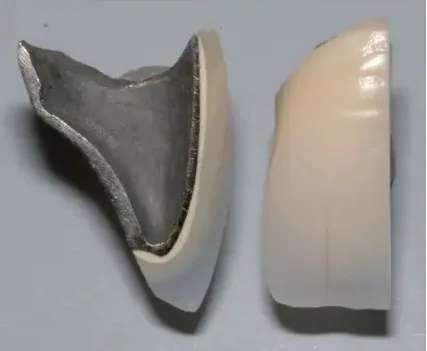
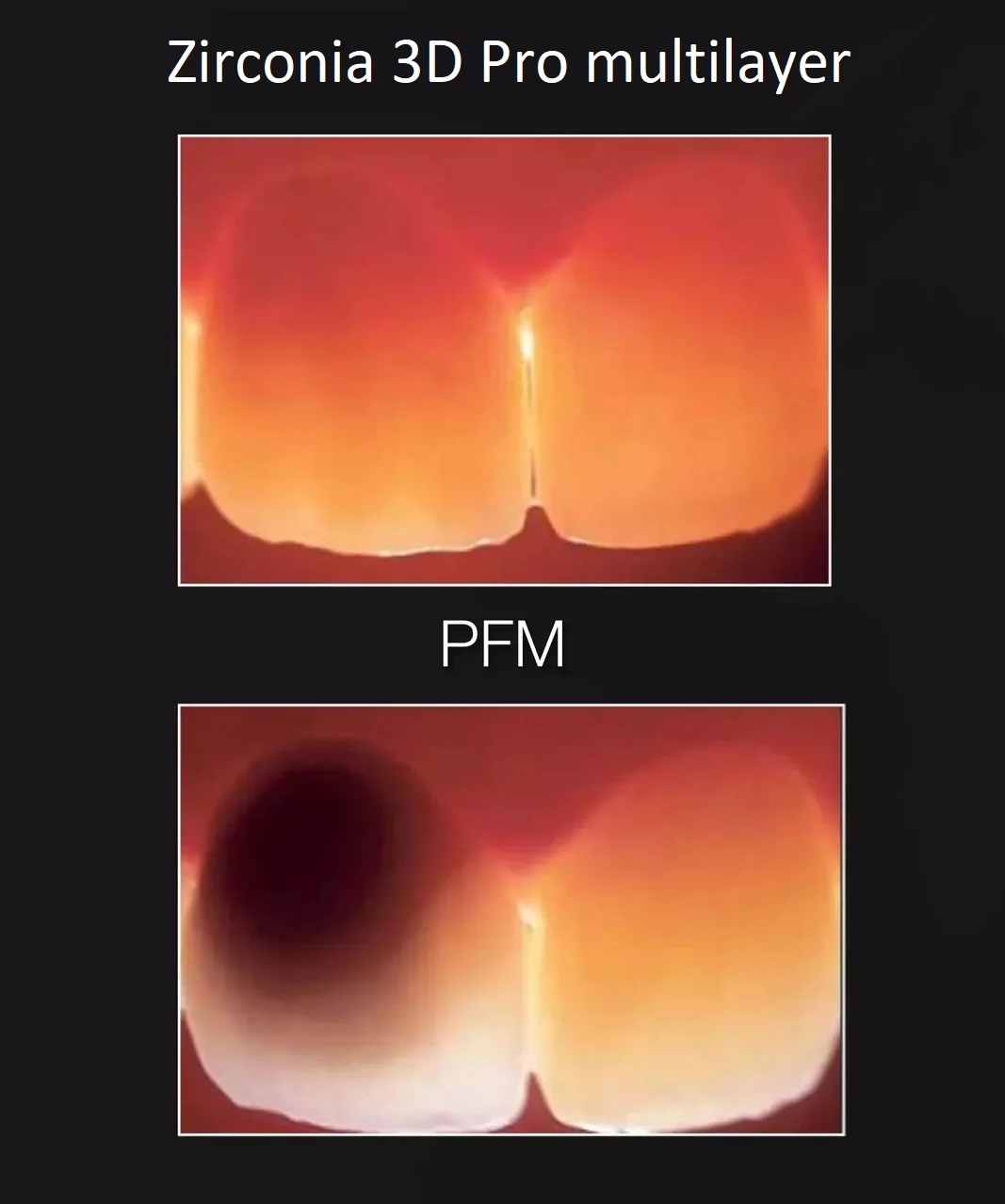
Because this restoration is built from two different materials and produced in separate steps, it is more vulnerable to chipping, veneer fracture, and delamination over time. The metal substructure also limits translucency, often creating a darker and less natural appearance in the cervical area.
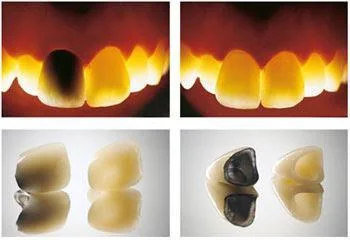
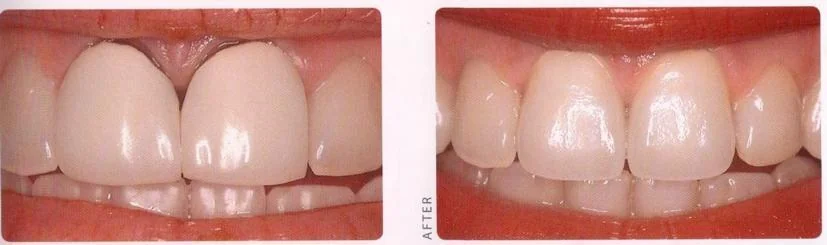
Another clinical drawback is wear behavior. The veneering porcelain may abrade opposing teeth, while its lower elasticity and bilayer construction can increase the risk of mechanical failure under functional load.
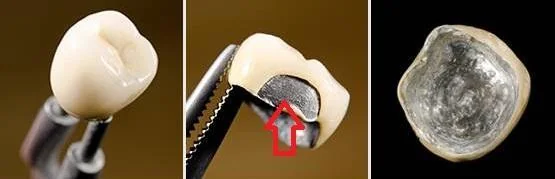
- Main advantage: lower initial cost.
- Main disadvantages: poor aesthetics, low translucency, risk of porcelain chipping, and less favorable wear behavior against opposing teeth.
- Current indication: usually reserved for selected cases and increasingly limited in modern implant dentistry.
2. Zirconia-Core All-Ceramic Crowns
Zirconia-core all-ceramic crowns were introduced as a second-generation solution to improve the aesthetics of titanium porcelain crowns. These restorations use a zirconia core for strength and an outer porcelain veneer for color and translucency, but the final outcome still depends heavily on choosing the right customized abutment.
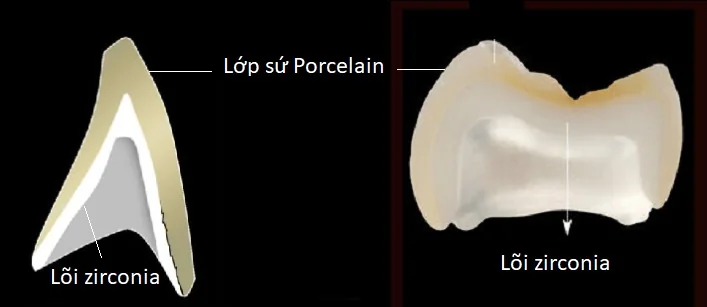
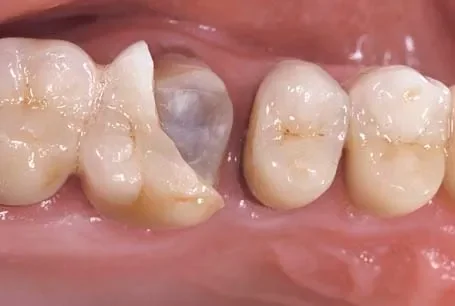
They provide better optical outcomes than titanium porcelain crowns, but their bilayered design still carries the same structural weakness: the bond between the internal framework and the external veneer can become the point of failure.
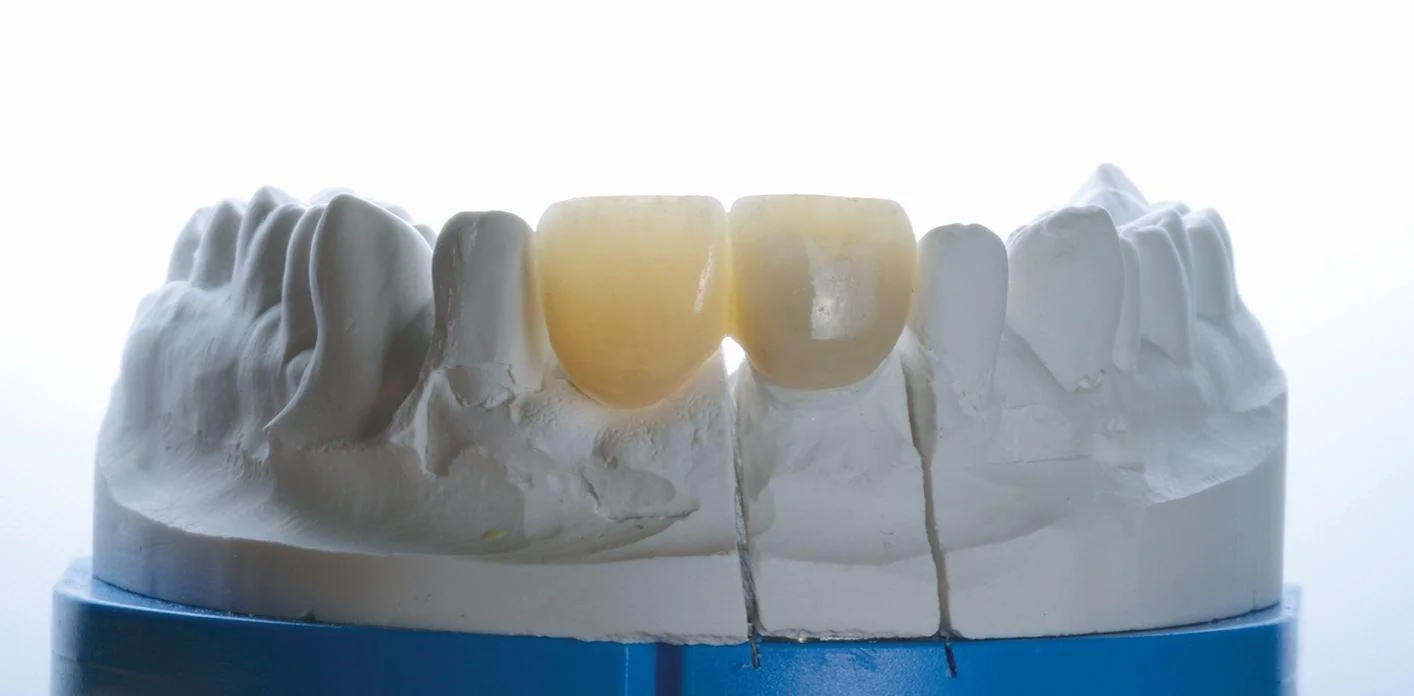
- Main advantage: improved aesthetics compared with metal-based crowns.
- Main disadvantages: continued risk of veneer chipping, less favorable wear behavior, and lower biomechanical harmony than monolithic restorations.
- Clinical note: these crowns are often better suited for selected natural-tooth restorations than for demanding implant cases.
3. Monolithic Multilayer Zirconia Crowns
Monolithic multilayer zirconia crowns represent the latest generation of ceramic implant restorations and are widely considered the most advanced option for achieving both function and aesthetics. Unlike bilayer crowns, these restorations are fabricated from a single multilayer zirconia material using CAD/CAM technology.
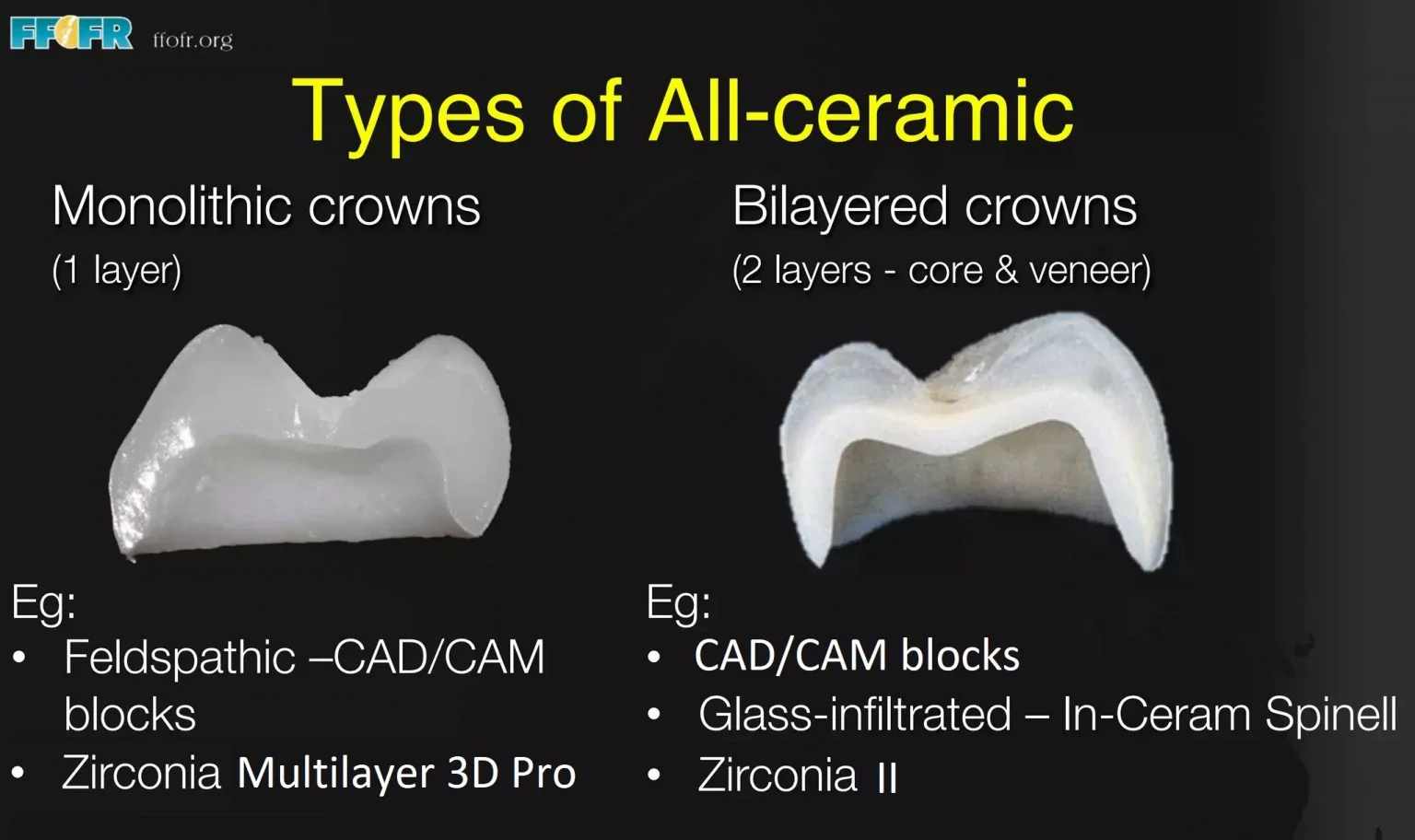
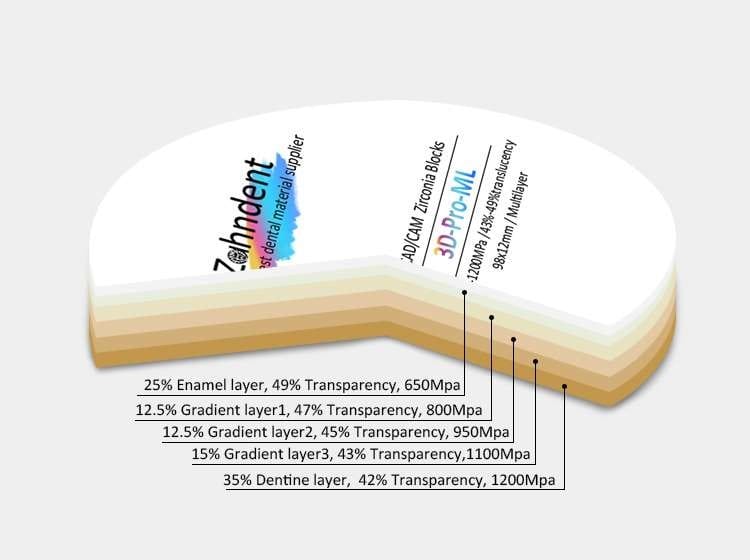
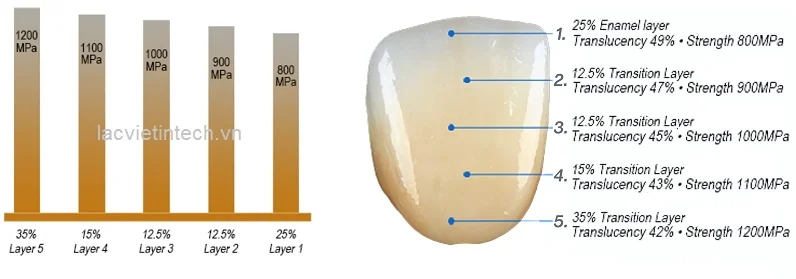
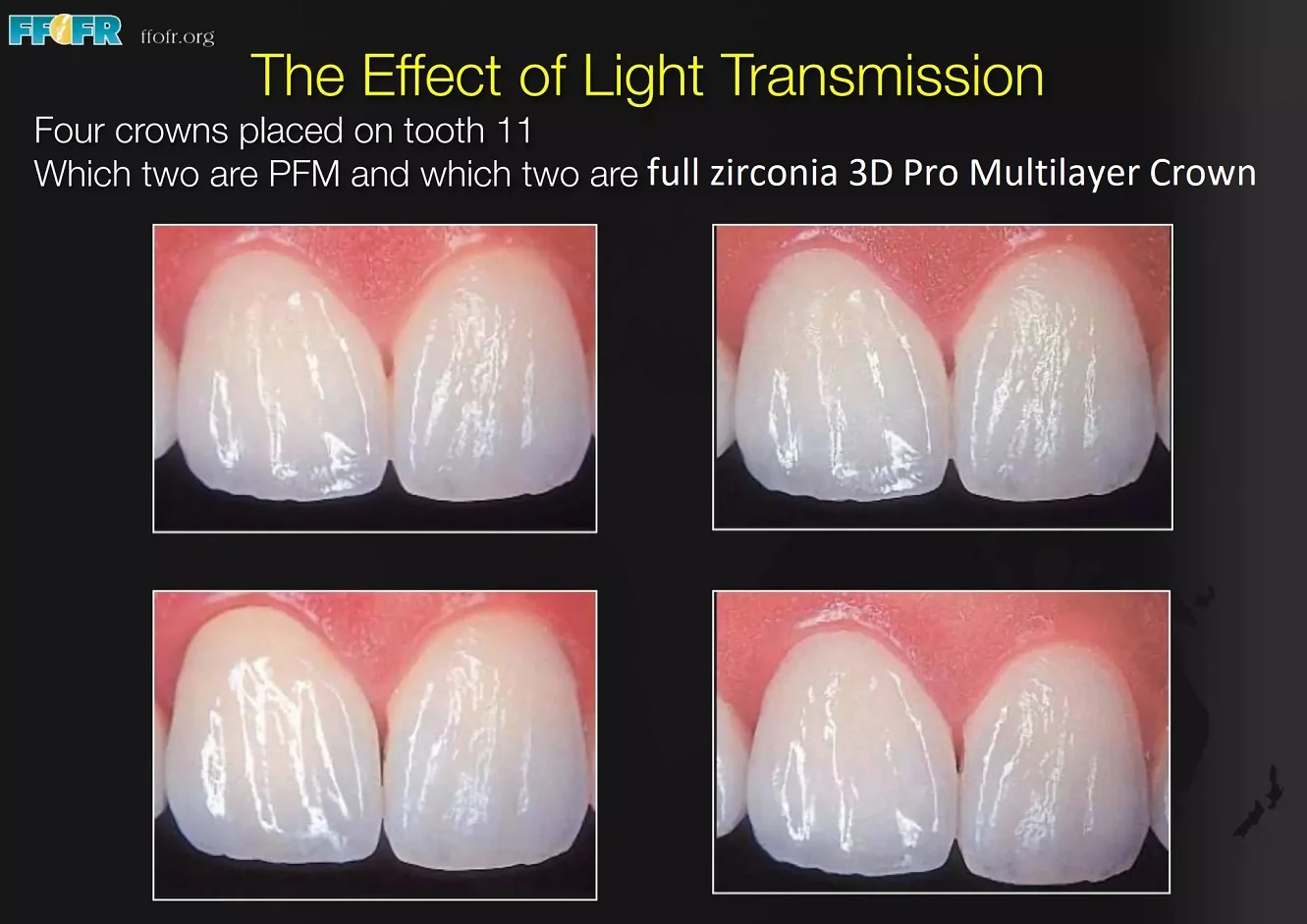
The multilayer structure is engineered with different molecular densities across the blank, creating a gradient in translucency, hardness, wear resistance, and flexural strength. This allows the restoration to behave more like a natural tooth while maintaining excellent fracture toughness.
- Natural-looking aesthetics: improved translucency, shade layering, and light behavior that better match natural enamel and dentin.
- More compatible wear: reduced risk of damaging opposing teeth compared with older ceramic systems.
- High fracture resistance: monolithic construction removes the weak veneering interface found in bilayer crowns.
- Better biomechanics: force distribution is more compatible with implant restorations and surrounding structures.
Which Implant-Supported Crown Material Is Best?
When comparing the three main types of implant-supported crowns, monolithic multilayer zirconia offers the strongest overall balance of aesthetics, strength, wear compatibility, and long-term clinical stability. Titanium porcelain crowns remain the most economical but have clear limitations in appearance and durability. Zirconia-core all-ceramic crowns improve aesthetics, yet still inherit the mechanical weakness of veneered restorations.
In modern implant dentistry, the best crown choice should not be based on material alone. Optimal results also depend on the implant fixture, the restorative abutment, occlusal planning, and precise digital fabrication. Still, for many advanced cases, multilayer zirconia is now considered the leading restorative option for implant-supported crowns.
FAQ: Types of Implant-Supported Crowns
What are the main types of implant-supported crowns?
The three main types are titanium porcelain crowns, zirconia-core all-ceramic crowns, and monolithic multilayer full zirconia crowns. Each option differs in translucency, strength, wear behavior, and long-term performance.
Why are titanium porcelain crowns less preferred today?
They are less preferred because they can look more opaque, create darker cervical margins, chip more easily, and may be less friendly to opposing teeth than newer ceramic options.
Why are multilayer zirconia crowns considered the best option for implants?
Because they combine strong fracture resistance, better aesthetics, more natural light behavior, and a wear pattern that is more compatible with natural teeth.
Does the crown material affect long-term implant success?
Yes. Crown material influences aesthetics, force distribution, wear on opposing teeth, and how the final restoration performs over time on the implant system.
Pingback: 3D Pro Multilayer Ceramic Crowns: Benefits, Properties and Implant Use